Control every size and heat
Connect sales specifications to material allocation, production sequence, quality tests, bundles, certificates, cost, and dispatch.
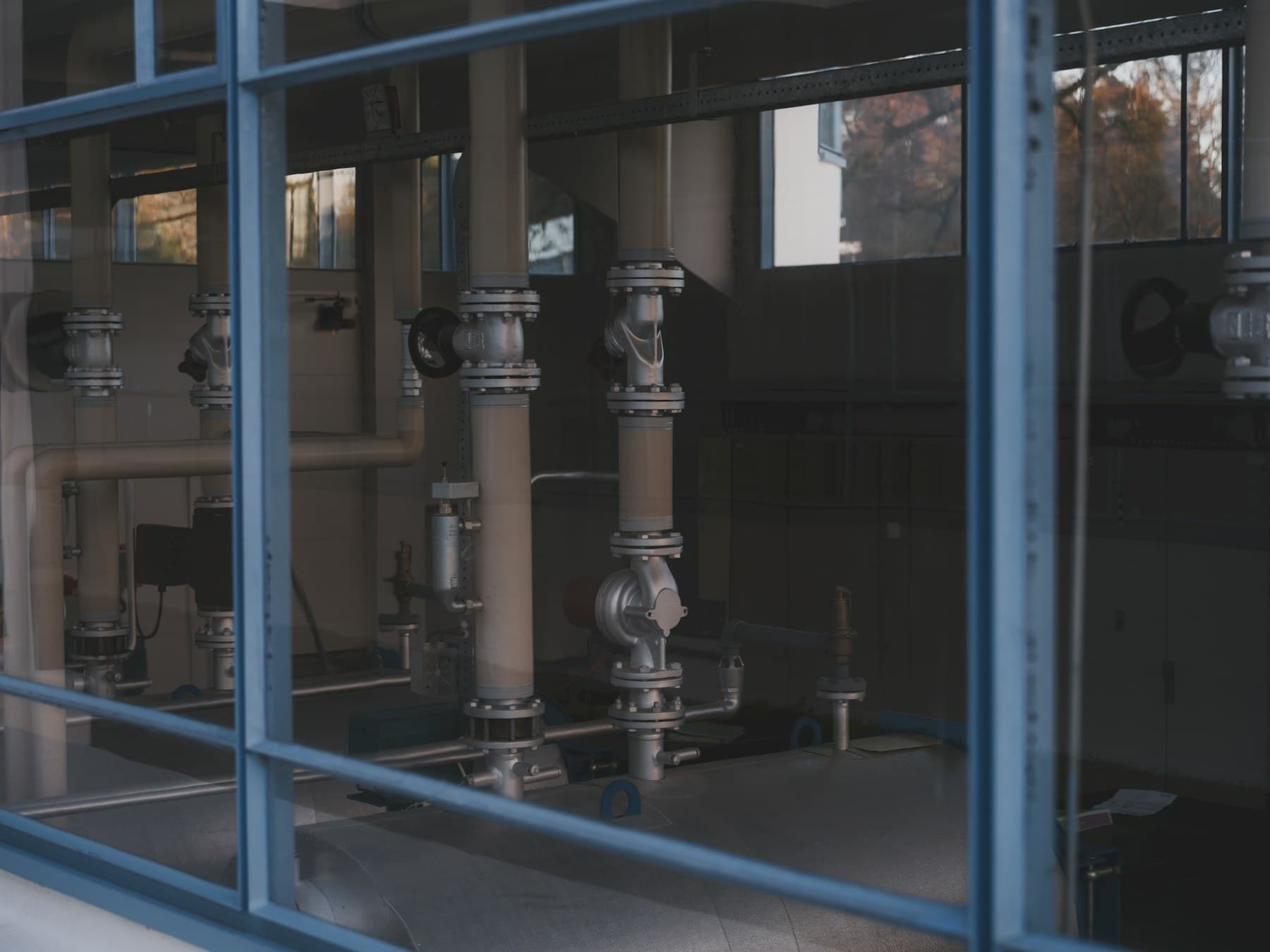
- 01
Translate customer specifications into feasible production
- 02
Track material, weight, length, scrap, tests, and bundles
- 03
Prepare dispatch and quality documents from one record
Niche workflow example
This is a detailed workflow example, not a published customer result. Product standards, process route, measurement, quality, and certificate scope require plant-level validation.
Where work starts to break
These are the recurring operating gaps the workflow is designed to surface and route.
Variants multiply planning work
Grade, diameter, thickness, length, coating, end treatment, and standard affect material and process choices.
Weight and length do not reconcile
Commercial, theoretical, measured, and produced quantities can use different units and tolerances.
Material traceability breaks at conversion
Coil, heat, slit, production, bundle, test, and dispatch references must remain connected.
Certificates require repeated assembly
Specifications, test results, material references, quantities, and dispatch data often live in different records.
From signal to recorded action
Each stage has an owner, a clear output, and a record the next team can trust.
- 01Sales and Engineering
Validate the specification
Confirm grade, dimensions, length, standard, treatment, quantity, tolerance, and delivery need.
Approved production specification
- 02Planning and Stores
Allocate and sequence
Select eligible coil, heat, slit, tooling, route, and production sequence.
Material and schedule proposal
- 03Production and Quality
Produce and test
Record input, output, cutting, weight, length, scrap, process readings, and test results.
Traceable bundle record
- 04Quality and Dispatch
Certify and dispatch
Prepare certificates, packing, bundles, weight, delivery, invoice, and trace references.
Released shipment package
Important activity, clearly explained
Oyo shows what happened, why it matters, and what your team can check next.
Approval is the default
Sensitive commercial, financial, quality, and inventory actions remain with authorized people.
- Manager review
Material allocation
Match order to eligible input
- When Oyo flags it
- A sales specification is approved for planning.
- Suggested next step
- Ranks eligible coil or heat inventory using grade, dimensions, traceability, yield, and reservations.
- Manager control
- Substitution outside approved engineering rules requires approval.
- Manager review
Schedule change
Prepare a feasible run
- When Oyo flags it
- Demand, material, tooling, or machine status changes.
- Suggested next step
- Proposes a sequence using due date, setup, tooling, capacity, and material evidence.
- Manager control
- Released schedules and delivery commitments change only with approval.
- Manager review
Scrap difference
Explain yield and conversion
- When Oyo flags it
- Actual input, output, weight, length, or scrap crosses tolerance.
- Suggested next step
- Groups material, machine, setup, product, operator, and measurement evidence.
- Manager control
- Oyo cannot alter recorded production or assign fault.
- Manager review
Certificate ready
Assemble dispatch evidence
- When Oyo flags it
- A bundle or order reaches its quality release stage.
- Suggested next step
- Prepares the certificate data from approved specifications, tests, traceability, and quantity records.
- Manager control
- An authorized quality role reviews and releases the certificate.
One operating record
Specification and Sales
Grade, diameter, thickness, length, standard, tolerance, and delivery terms.
Material and Planning
Coil or heat stock, slits, reservations, tooling, capacity, and sequencing.
Production and Quality
Operations, weight, length, scrap, tests, holds, release, and traceability.
Certificates and Dispatch
Bundles, packing, test certificates, shipment, invoice, and cost.
FBR POS Integrated
Applicable pipe sales can connect item and tax validation, invoice submission, response capture, QR handling, returns, and reconciliation.
Review the FBR workflow- Map product variants to the approved item and tax data
- Validate customer and transaction information
- Store FBR response with the ERP invoice
- Control corrections, returns, and credit notes
Product classification, tax treatment, and invoice scope require review by the customer's qualified tax advisor.
Start with one controlled flow
Configure around real roles, rules, data, and approvals before expanding the operating footprint.
- 01
Map specifications, units, formulas, material identity, routing, tests, and certificates.
- 02
Validate theoretical and actual weight or length conversion rules.
- 03
Configure substitution, schedule, quality, scrap, certificate, and dispatch approvals.
- 04
Start with one product family from sales specification through dispatched bundle.
Show us how the work really moves
Bring one pipe specification, material allocation, scrap, quality, or certificate workflow. We will map it from order to dispatch.